
The studies at the Retinal Research Institute each have entry criteria that you must meet in order to be enrolled. The criteria is designed to ensure your safety and that data produced is useful. During the screening process we’ll be able to determine if a clinical trial is the right fit for you.

Screening Process
What to Expect Checklist
If you agree to participate in a clinical trial, you must be “screened” to make sure you qualify for the study. The Research Coordinator schedules this screening appointment with you. During a typical screening visit, you can expect to have the following assessments:
- Review and signing of the Informed Consent Form, after your questions are answered and the study doctor feels the patient adequately understands the content of the consent form
- A visual acuity exam: an assessment of how well you can see, with corrective lenses
- Measurement of pressure inside the eye and dilation of the pupil
- Ocular imaging procedures: Optical Coherence Tomography and Fluorescein Angiography, for example
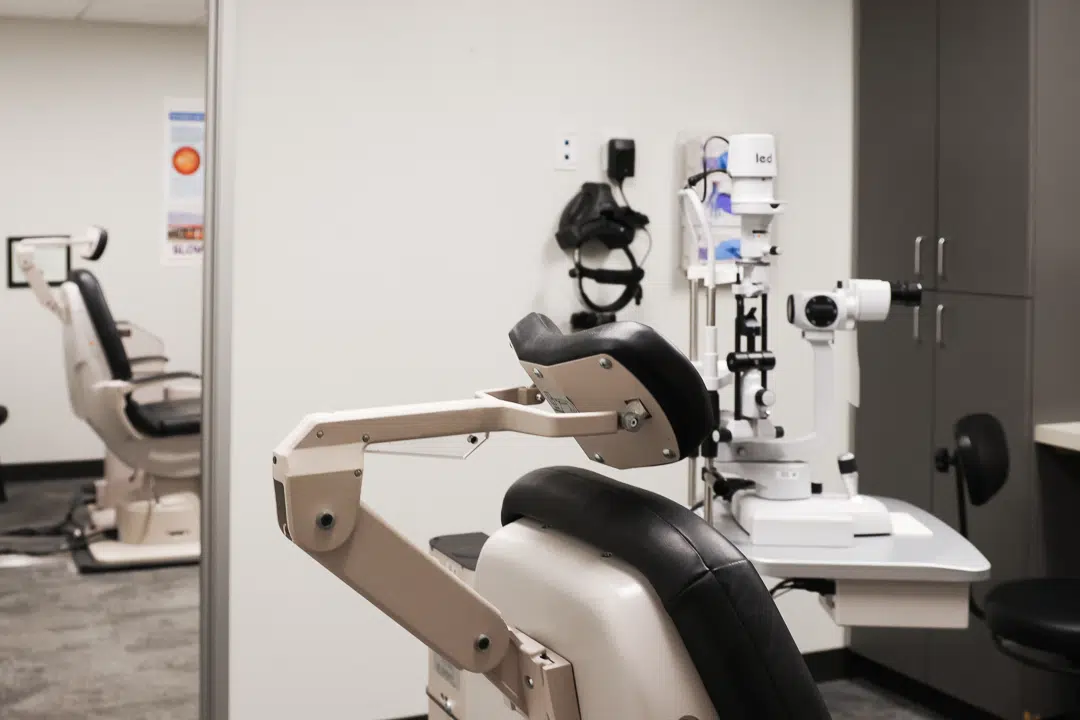
- Complete Ophthalmic Exam: the doctor will examine your eye(s) thoroughly and note all findings
- A review of your medical and surgical history, as well as medications being taken Some trials require the following additional assessments:
- Collection of blood and urine samples be collected
- A complete physical exam by your primary care doctor
- Electrocardiogram (ECG)
Next Steps
Once all screening procedures are performed and the study doctor and Sponsor of the study have all the information needed to make sure you are eligible to be in the study, then you may be enrolled into the clinical trial. You will be paired with one of our Research Coordinators, who will help you through the entire process.
What’s next in the trial process?
Becoming a candidate in a clinical trial is only the first step. Find out what to expect once you are enrolled.